



Lewes student strikes gold
November 30, 2017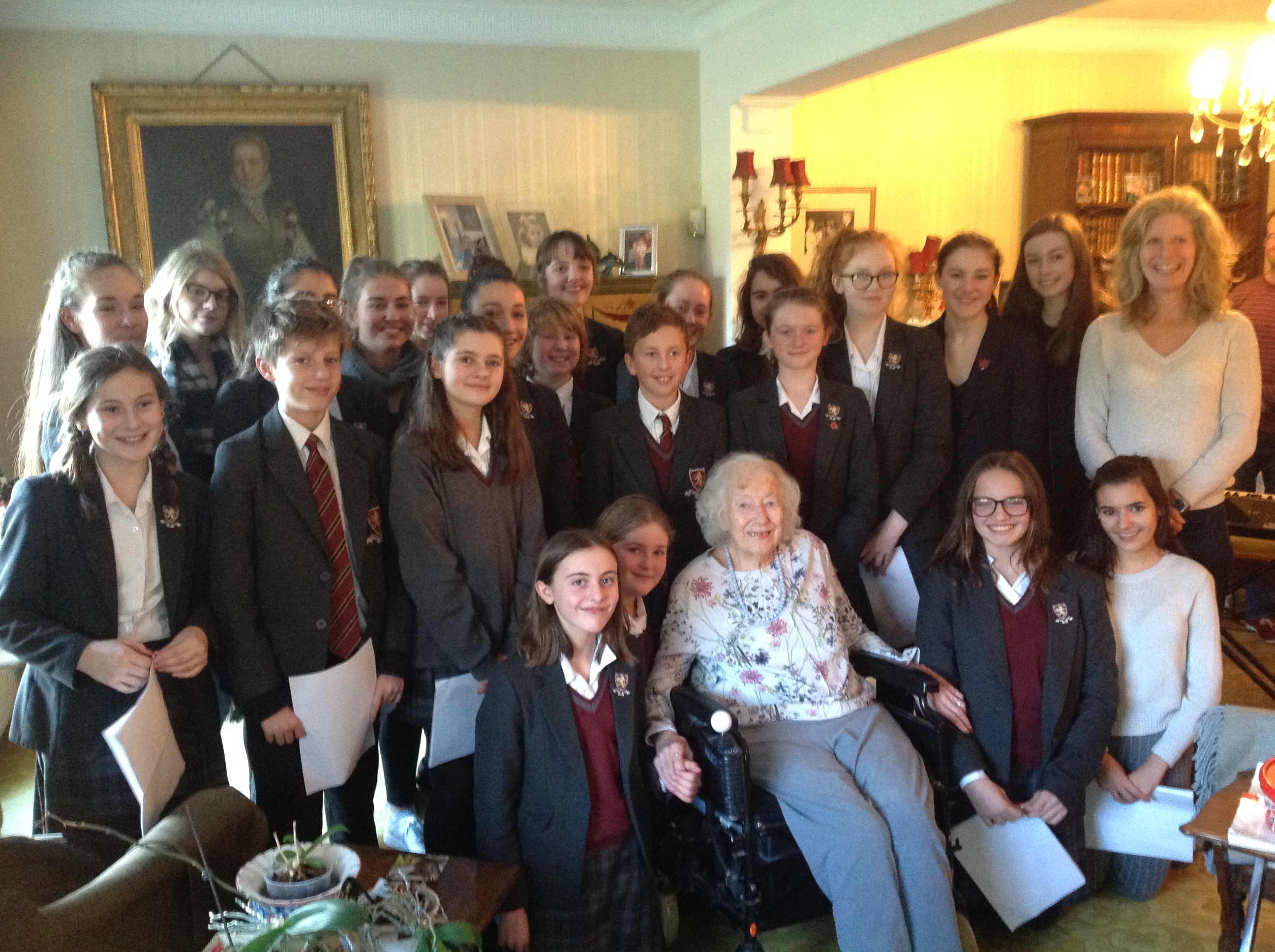
School Choir Carols for Forces’ Sweetheart Dame Vera Lynn
December 11, 2017East Sussex school sends Mental Health First Aiders into class
Eleven teachers and classroom assistants at an East Sussex school went to work as qualified Mental Health First Aiders for the first time on Monday – the same day the Government set out plans for transforming young people’s mental health services.
The staff from Lewes Old Grammar junior and senior schools, together with a senior member of the management team, volunteered to take part in two days of specialist training. This followed a compulsory mental health awareness day held for all 126 staff in September.
The course was delivered by Mental Health First Aid (MHFA) England – the organisation charged with delivering the government-funded Youth MHFA in Schools programme. As part of this initiative, every state secondary school in England is being offered the opportunity to train a member of staff as a Youth MHFA Champion, with the programme aiming to train more than 3,000 school staff by 2020.
LOGS Headmaster Robert Blewitt said: “Like most schools, we have seen an increase in matters related to self-harm and eating disorders with more and more children of every age apparently not coping with ordinary day-to-day pressures. Social media has undoubtedly been an important contributing factor in that.”
“While we have a good relationship with external service providers, there is no getting away from the fact that children’s mental health services have been under severe pressure and it is often schools who have to deal with the consequences. To be fair, the Government acknowledges the good job many schools are already doing in this area and the extra financial resource to help, continue and extend it is very welcome.
“For our part, we felt we had a duty not only to our pupils but also to our staff to make sure we had the right skills and procedures in place so that we can identify potential problems early on and offer the right pathways for pupils who need help.”
Mr Blewitt said cuts to local authority services had made it harder to get the referrals for children who needed expert counselling.
“It is believed that 80 per cent of mental health issues in adults stem from issues they have had to deal with as children, so funding for mental health in these early years is vitally important. Hopefully, we will now see referrals happen more quickly and other services and expertise will be made available as the statement from the Government suggests.”
Caroline Hounsell, Director of Partnerships, Product Development & Training and Youth Lead at MHFA England, said the aim was to help school staff to spot signs and symptoms of mental ill health and equip them with the skills and confidence to “start conversations on mental health, listen non-judgementally and guide young people to further support”.
“It’s estimated that half of young adults with mental health issues have symptoms by the age of 15, and nearly 75 per cent by their late teens, with one in four children showing some evidence of mental ill health, including anxiety and depression,” said Ms Hounsell. “Social media, peer pressure, bullying and family units breaking down are all thought to be contributing factors, however issues affecting young people’s wellbeing can often remain undetected and untreated unless schools take an active role.”
In addition to introducing Mental Health First Aiders, LOGS plans to include a qualified counsellor on the teaching staff and run mental health awareness evenings for parents.
Ms Hounsell who has two boys of her own at the school applauded its approach.
“MHFA is an important part of encouraging a ‘whole school’ approach to mental health, where all parts of the school community work together, and at every level, in their commitment to wellbeing. Childhood should be a positive, happy period in our lives – it’s the emotional well from which we draw strength to build resilience and meet many of the challenges we face in our adult lives. Together, parents, schools and children and young people’s mental health services all have an important part to play in this holistic approach.”
–end– 5 December 2017


